Cutting metal bars, plates, and sections to length is one of the most frequent operations in any fabrication shop. A hydraulic cutting machine for metal uses pressurized fluid to drive a blade through the workpiece, delivering a clean, square, repeatable cut without the noise, heat, or sparks of thermal cutting methods. This article explains how these machines work, the key features to evaluate, where they are used, and what a buyer should check before purchasing.
What Is a Hydraulic Cutting Machine for Metal?
A hydraulic cutting machine for metal uses a hydraulic cylinder to drive a blade through metal stock, separating it cleanly along a shear line. The defining characteristic is that cutting force is generated by fluid pressure rather than mechanical energy. This gives smooth, controllable force delivery and makes full cutting force available at any blade position – which matters when cutting thick sections.
The machine type most commonly referred to under this description is the hydraulic guillotine shear, which uses a moving upper blade that descends through the workpiece against a fixed lower blade. Combined ironworkers also use hydraulic cutting as one of their stations for cropping bars and sections. The term also covers hydraulic scrap shears and demolition shears used in scrap yards and recycling operations.
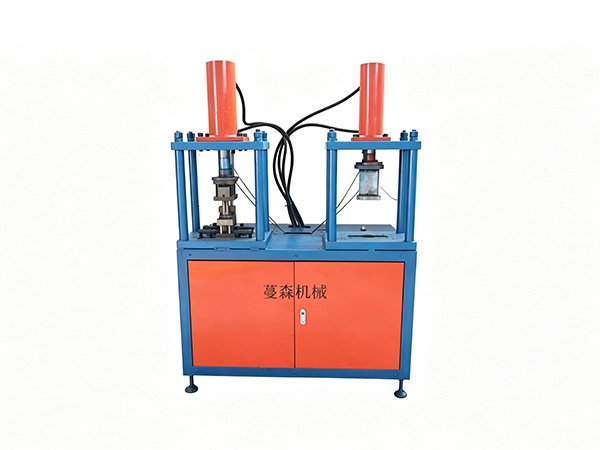
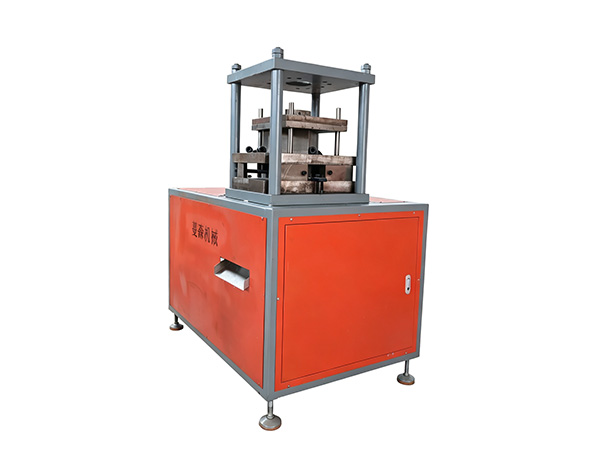
How Does It Work?
The cutting action uses a shear mechanism. The upper blade descends at a controlled rake angle through the workpiece, while the lower blade holds the stock against the bed. The cutting force comes from a hydraulic cylinder that drives the ram and upper blade assembly downward. The rake angle – the tilt of the blade relative to vertical – reduces the peak cutting force by spreading the cut across the blade edge rather than concentrating it at a single point.
For a given material, the cutting force depends on shear strength, blade length, and material thickness. Mild steel at 450 N/mm² shear strength is the standard reference condition for published capacity figures. Thicker, stronger, or harder materials need more force and may require a machine rated well beyond the nominal thickness to account for material variation and blade wear.
Key Components
Frame – welded steel construction that resists deformation under cutting loads.
Hydraulic cylinders – drive the upper blade assembly. Dual-cylinder designs distribute force evenly across the blade length.
Blade assembly – upper and lower blades, typically hardened tool steel with four usable edges per blade that can be indexed when one edge wears.
Back gauge – a programmable stop that positions the workpiece for repeat cut length.
Blade gap adjustment – allows the clearance between upper and lower blades to be set for the material and thickness.
Rake angle adjustment – adjusts the blade inclination to optimize cutting force and edge quality for different thicknesses.
Worktable and hold-down clamps – supports the workpiece and clamps it securely during the cut.
Control system – CNC or NC controller for back gauge, stroke, and sequence control.
Safety guarding – physical guards, light curtains, and emergency stops around the cutting zone.
Key Features to Evaluate
Cutting Capacity
The stated maximum cutting thickness is for mild steel at a reference shear strength, typically 450 N/mm². Cutting stainless steel or harder grades requires more force, so the effective capacity for those materials is lower. Always verify capacity against your actual material grades, not just the mild steel figure.
Blade Length and Cutting Width
Blade length determines the maximum workpiece width the machine can cut in a single pass. Standard lengths range from 2000 mm to 6000 mm or more. For wide plate work, verify the blade length against your widest stock.
Back Gauge Accuracy
CNC-controlled back gauges with ball-screw drives achieve accuracies of ±0.02 mm to ±0.1 mm depending on the machine class. For precision fabrication where cut length directly affects assembly fit, a tighter tolerance specification is worth the extra cost.
Blade Gap and Rake Angle Adjustment
Correct blade gap for the material and thickness reduces burr, improves edge quality, and extends blade life. CNC machines allow digital adjustment of both gap and rake angle, enabling quick optimization when switching between material types or thicknesses.
Dual-Cylinder Drive
Dual hydraulic cylinders on either end of the blade assembly distribute cutting force evenly across the full blade length. This eliminates angular error and ensures a square cut even on wide plate.
Hydraulic System Design
Integrated hydraulic valve blocks reduce leakage points compared to piped systems. Variable-displacement pumps and proportional valves allow cutting force to be matched to the material, reducing energy use and blade wear on lighter cuts.
Main Types
Hydraulic Guillotine Shear
The standard plate shear for general fabrication. A moving upper blade descends through the workpiece against a fixed lower blade. Available in manual, NC, and CNC versions, with cutting capacities from 6 mm to 40 mm or more depending on model.
Hydraulic Swing Beam Shear
The upper blade swings in an arc rather than descending vertically. This design reduces cutting force and improves cut quality on thin plate but is limited to lighter capacities compared to guillotine machines.
Combined Ironworker (Cutting Station)
A multi-function machine that includes a flat-bar shear, angle shear, and bar/cropping station alongside other operations. For shops that need cutting alongside punching or notching, this consolidates functions into one footprint.
Hydraulic Scrap Shear
A heavy-duty machine designed for cutting scrap steel, demolition steel, and scrap car bodies. Higher force and larger blade opening than fabrication shears, with features such as rotating blades for excavator mounting or stationary floor operation.
Industrial Applications
Cutting plate to length for structural steel fabrication
Cutting flat bar, angles, and channels to length
Preparing plate for welding and assembly in shipbuilding
Cutting structural sections in trailer and vehicle manufacturing
Cutting sheet and plate in HVAC equipment fabrication
Scrap steel processing and recycling plant operations
Steel mill and foundry stock preparation
Cutting guard plates, brackets, and mounting hardware
Demolition and scrap processing in construction
Precision plate preparation for pressure vessel and tank fabrication
Key Technical Parameters
Maximum cutting thickness – stated for mild steel; check the actual material grade you process.
Cutting length (blade length) – must cover your widest workpiece.
Rake angle and blade gap range – affects force, edge quality, and material range.
Back gauge accuracy – determines cut length tolerance.
Stroke rate – cycles per minute, which affects throughput on thin material.
Motor power and hydraulic pressure – indicate the cutting capacity and energy use.
Hold-down force – must be sufficient to prevent material lifting during the cut.
Power supply – voltage, phase, and frequency at the installation site.
As a category reference, hydraulic guillotine shears for general fabrication commonly range from 6 mm to 40 mm capacity, with blade lengths from 2000 mm to 6000 mm or more. Dual-cylinder drive is standard on mid-range and above models. Specific figures must come from the datasheet for the specific model.
Materials and Cutting Quality
Mild steel is the standard reference material and cuts cleanly at published capacities. Stainless steel requires a higher force relative to its thickness and produces more springback, which can affect edge squareness. Aluminum cuts readily but tends to stick to the blade if clearance is not correct. Each material benefits from a specific blade gap and rake angle setting.
Edge quality depends on blade sharpness, correct blade gap, rake angle, and hold-down force. Dull blades, incorrect gap, or insufficient hold-down force produce rough edges, excessive burr, and blade damage. Regular blade indexing and gap checks are the most practical steps toward consistent cut quality.
How to Choose the Right Machine
Define your material and thickness range. Start from the hardest, thickest material you cut regularly, not the average job. Size the machine with margin above that figure.
Match blade length to your widest stock. If you regularly cut 3000 mm plate, a 2500 mm blade forces two cuts or a repositioning step.
Weigh accuracy requirements. For precision fabrication, a CNC back gauge with tight tolerance justifies the cost. For simpler cutting, an NC gauge may suffice.
Consider dual-cylinder drive. It eliminates angular error on wide plate and is worth specifying for any machine handling full-width cuts.
Check blade gap and rake adjustment. CNC digital adjustment enables quick optimization when switching materials, which matters for mixed-workload shops.
Plan for blade life. Specify quality blade material (alloy tool steel or D2-grade) and check the cost and availability of spare blades before ordering.
Verify safety compliance. Check compliance with relevant safety standards such as ISO 13857 for safety distances and EN 12622 or ANSI B11.3 for press and shear safety.
Maintenance and Operating Considerations
Blade condition. Check blade sharpness and edge condition before each shift. Index or replace blades when one edge is worn; do not continue cutting with a dull blade.
Blade gap. Verify the gap is correct for the material and thickness before cutting. Incorrect gap increases burr and accelerates blade wear.
Hydraulic system. Check oil level, temperature, and seals. Contaminated fluid is the most common cause of hydraulic system failure.
Hold-down system. Verify clamps function and maintain sufficient force to prevent material lifting during the cut.
Back gauge. Calibrate position zero regularly and verify repeatability against a reference length.
Guards and interlocks. Test safety devices and ensure guarding is in place before every cutting operation.
What to Provide When Requesting a Quote
Material grades and maximum thickness you will cut
Maximum workpiece width and length
Required cut length accuracy and tolerance
Production rate and shift pattern
Power supply (voltage, phase, frequency) at the installation site
Required certifications and shipping or container requirements
Any special configuration such as CNC control, extended blade length, or custom options
Manufacturers such as Botou Mansen Machinery publish their manufacturing capabilities so buyers can verify production scale and quality control before placing an order. You can review the company profile at the manufacturer's about page, and explore related fabrication equipment at the main product site.
FAQ
What is the difference between a hydraulic guillotine shear and a swing beam shear?
A guillotine shear moves the upper blade straight down. A swing beam shear swings the blade in an arc, which reduces cutting force for thin plate but is limited to lower capacities. Guillotine shears are the standard choice for general fabrication; swing beam machines are a cost option for lighter, thinner work.
How is cutting capacity related to material grade?
Published capacity figures are for mild steel at a reference shear strength, typically 450 N/mm². Harder or higher-strength materials require more force, so the effective cutting capacity is lower. Always verify against your actual material grades.
What blade gap should I use?
Blade gap is set as a percentage of material thickness and varies with the material. Typical guidance is 5–10% of thickness for mild steel, narrower for aluminum, wider for harder grades. Consult the machine manual for the specific material and thickness being cut.
What maintenance does a hydraulic cutting machine require?
The most important regular tasks are checking and indexing blades, verifying and adjusting blade gap, checking hydraulic oil and seals, verifying hold-down function, calibrating the back gauge, and testing safety guards and interlocks.
Should I choose NC or CNC control?
NC control suits shops cutting a limited range of lengths where manual gauge setting is acceptable. CNC control is worth the extra cost when you need multiple preset lengths, automatic sequencing, tight tolerances, or frequent changeovers between different part lengths.
Conclusion
A hydraulic cutting machine for metal delivers clean, repeatable shearing of plate, bars, and sections using hydraulic force rather than mechanical energy. The key features to evaluate are cutting capacity, blade length, back gauge accuracy, blade gap and rake adjustment, and drive configuration. For B2B buyers, the practical value is consistent cut quality, reduced material waste from incorrect lengths, and the ability to cut at volume without the drawbacks of thermal cutting methods.
Before requesting a quote, document the material grades and maximum thickness you cut, the widest workpiece width, the required cut length tolerances, and your production volume. Size the machine for your hardest regular material with margin, confirm blade length covers your widest stock, and review the supplier's manufacturing capability and after-sales support before committing.
References
ISO 13857:2019, Safety of machinery – Safety distances to prevent hazard zones being reached by upper and lower limbs. International Organization for Standardization.
EN 12622, Safety of machine tools – Hydraulic press brakes. European Committee for Standardization.
ANSI B11.3, Safety Requirements for Power Press Brakes and Shearing Machines. American National Standards Institute.
Kalpakjian, S., & Schmid, S. R. (2014). Manufacturing Engineering and Technology (7th ed.). Pearson.