Metal fabrication shops rely on hole-making as a core operation. Whether it is structural connections, brackets, electrical enclosures, or machinery frames, the hole is often where the assembly starts. A hydraulic punching machine uses pressurized fluid to drive a punch through metal, delivering consistent holes at a force and speed that mechanical presses cannot match across the full stroke. This article explains how the machine works, the key components, where it is used, and what to check before buying.
What Is a Hydraulic Punching Machine?
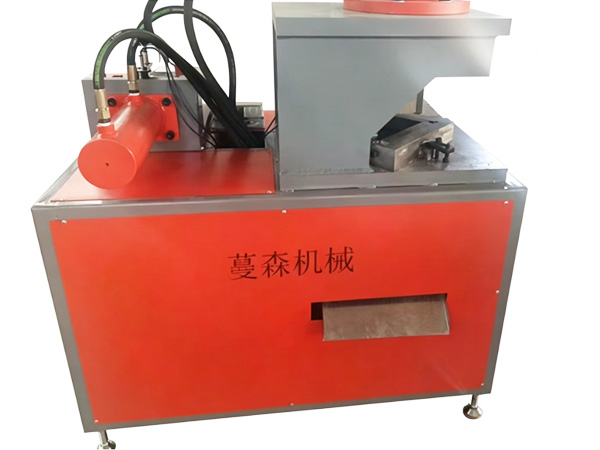
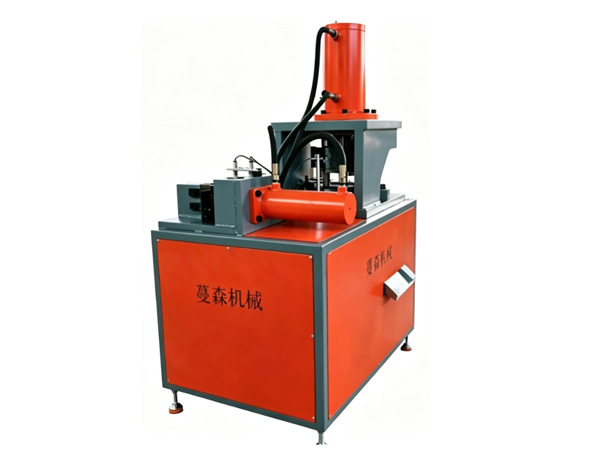
A hydraulic punching machine uses a hydraulic cylinder to drive a punch through a workpiece. The pump pressurizes fluid, which extends the piston and drives the ram downward onto the punch. Because hydraulic pressure is constant throughout the stroke, the machine delivers its full rated tonnage at any point in the ram travel – unlike a mechanical press where force varies with position.
This characteristic makes hydraulic punching well suited to operations that need consistent force across different material thicknesses and for deep-throat punching where the ram must travel a significant distance. The design also allows smooth, controllable stroke speed, which helps manage hole quality and tool life.
How Does It Work?
The working principle follows a standard hydraulic circuit. An electric motor drives a fixed-displacement or variable-displacement pump that draws hydraulic fluid from a reservoir. When the operator initiates a cycle, directional valves route pressurized fluid to the main cylinder. The fluid extends the piston, which drives the ram and punch into the workpiece. A die below the workpiece supports the material and defines the hole size. After the punch penetrates, fluid is directed to retract the piston, and the cycle is complete.
Force at the punch is the product of system hydraulic pressure and the piston area. The force required for a given hole depends on the material's shear strength, the hole perimeter, and the material thickness. The machine must be sized so that its rated tonnage exceeds the force required by the hardest combination of hole size and material thickness it will regularly process.
Required Punching Force Reference
Required force roughly equals: shear strength of the material (in N/mm²) × hole perimeter (in mm) × material thickness (in mm). For mild steel at approximately 450 N/mm² shear strength, a 20 mm diameter hole in 6 mm plate requires roughly 170 kN. This illustrates why tonnage, maximum hole diameter, and maximum thickness are always stated together – they are interdependent.
Key Components
Hydraulic power unit – tank, pump, electric motor, relief valve, and filtration.
Main cylinder and ram – converts fluid pressure into linear punching force.
Punch and die set – the tooling that actually forms the hole.
Worktable and bolster plate – supports the workpiece and positions the die.
Throat depth – the distance from the column centerline to the back of the frame, determining how far from a plate edge a hole can be punched.
Control system – foot pedal, two-hand controls, or PLC for programmable positioning and stroke control.
Stripper – removes the workpiece from the punch after the stroke.
Safety guarding – physical guards, light curtains, or interlocked controls around the tool area.
Main Types
Single-Station Hydraulic Punch Press
A dedicated punching press with a deep throat for plate and structural work. Base plates, gussets, tower connections, and machinery frames are typical workpieces. These machines prioritize throat depth and punch capacity over other functions.
Hydraulic Ironworker (Combined Punching and Shearing)
A multi-station machine that shares one frame and hydraulic power unit across a punching station, flat-bar shear, angle shear, and bar/cropping station. For general fabrication shops that need both hole-making and section cutting, this consolidates two operations into one footprint.
CNC Hydraulic Punching Line
For higher-volume plate processing, a CNC punching line uses automatic positioning with a turret or gantry. These are a step up in automation and throughput from a single-station punch and are suited to manufacturers running repeat part batches at volume.
Portable Hydraulic Punching Unit
A separate hydraulic power pack drives a punching head that can be taken to the workpiece. On-site applications include beam connections, tower joints, and structural steel where moving the part to a fixed machine is impractical.
Where Hydraulic Punching Machines Are Used
Structural steel fabrication and building frames
Bridges, transmission towers, and infrastructure
Trailers, truck bodies, and commercial vehicles
Electrical enclosures, switchgear cabinets, and panel boxes
HVAC equipment, ductwork, and air handling
Agricultural machinery and equipment frames
Shipbuilding and offshore structure fabrication
Fencing, guardrails, and safety barriers
Solar mounting structures and renewable energy frames
Metal furniture, shelving, and racking systems
Key Technical Parameters
Punching force (tonnage) – sets the maximum hole diameter possible at a given material thickness. Match to your hardest regular job with margin for occasional peaks.
Throat depth – the maximum distance from an edge to a hole. Measure your largest part and the furthest hole from an edge before choosing.
Stroke length – the ram travel distance, which must accommodate the material thickness and stripper clearance.
Strokes per minute – cycle rate, which is lower for hydraulic machines than for mechanical presses but acceptable for most fabrication work.
Maximum hole diameter – the largest punch the machine accepts; this is a function of the tonnage and the bolster plate tooling.
Motor power and working pressure – indicate the hydraulic capacity behind the rated force.
Power supply – voltage, phase, and frequency must match the installation site, especially for cross-region or export deployment.
As a category reference, hydraulic punching presses for general fabrication commonly range from 20 to 200 tons or more, with throats from 200 mm to over 600 mm. Exact figures must come from the specific model's datasheet.
Materials and Tooling
Mild steel is the standard material and punches readily. Stainless steel requires more force and wears punch and die faster, so tool material and clearance must be matched to the work. Aluminum needs less force but can produce more burr if clearance is not controlled.
The punch-to-die clearance is the gap between the punch and the die opening. Correct clearance for the material and thickness reduces burr, improves edge quality, and extends tool life. Standard round, oblong, and square punches cover most work; custom shapes are available for specialized parts.
How to Choose the Right Machine
Define the workload. List material grades, thickness range, typical hole diameters, and quantities per shift.
Size for the hardest job. Match tonnage and maximum hole diameter to the thickest, strongest material you will regularly punch.
Check throat depth. Compare it against the largest part and the furthest hole from an edge in your regular work.
Consider combined functions. If you also cut flat bar, angles, or channels, a combined ironworker may be more cost-effective than a dedicated punch press.
Weigh automation. Manual foot-pedal control suits jobbing work. CNC positioning suits repeat, high-volume runs.
Verify safety compliance. Hydraulic presses should be evaluated against standards such as ISO 16092-3 for press safety, with proper guarding and control measures.
Account for the site. Floor space, three-phase power, and operator skill all affect feasibility and should be confirmed before ordering.
Maintenance and Operating Considerations
Hydraulic oil. Use the correct grade, keep it clean with regular filtration, check level and condition, and follow a scheduled change interval.
Seals and hoses. Inspect for leaks and wear. Fluid loss directly reduces force and can damage cylinder components.
Punch and die. Keep them sharp, check for chipping or excessive wear, and set correct clearance for the material being punched.
Alignment and lubrication. Verify ram alignment periodically; keep guides and linkages lubricated.
Safety systems. Test guards, two-hand controls, and emergency stops regularly; enforce lockout/tagout during setup and maintenance.
What to Provide When Requesting a Quote
Material grade and thickness range you will process
Typical hole diameters, patterns, and quantities per shift
Required throat depth and worktable size
Power supply (voltage, phase, frequency) at the installation site
Target production rate and shift pattern
Required certifications and shipping or container requirements
Any custom tooling, automation, or special configuration needs
Manufacturers such as Botou Mansen Machinery publish their manufacturing capabilities so buyers can verify production scale and quality control before ordering. You can review the company profile at the manufacturer's about page, and explore the range of fabrication equipment at the main product site.
FAQ
How is punching force related to hole size and material thickness?
Required force equals roughly the material shear strength multiplied by hole perimeter and thickness. Larger holes or thicker, stronger material need more force. This is why tonnage and maximum hole diameter are always stated together for a given thickness.
What throat depth do I need?
Measure your largest part and the greatest distance from an edge to a hole. Choose a throat depth with margin beyond that figure. Undersizing the throat forces awkward material handling or makes some holes impossible.
What is the difference between a hydraulic punch and a mechanical press?
A mechanical press stores energy in a flywheel and delivers force through a crank or eccentric, so force varies through the stroke. A hydraulic press delivers constant force throughout the stroke because pressure is maintained by the pump. Hydraulic also allows smoother stroke speed control and deeper throats.
Can a hydraulic punching machine handle stainless steel?
Yes, but stainless steel needs more force and wears tooling faster than mild steel. Size the machine for stainless if it is a regular material in your workload, not just for mild steel.
What maintenance does a hydraulic punching machine require?
Core tasks are keeping hydraulic oil clean and at the correct level, inspecting seals and hoses for leaks, maintaining punch and die sharpness and clearance, verifying ram alignment, and testing safety systems regularly.
Conclusion
A hydraulic punching machine delivers consistent, controllable force for hole-making across a wide range of metal fabrication work. Its defining characteristic is constant force throughout the stroke, which makes it well suited to variable material thicknesses and deep-throat punching. The key buying parameters are tonnage, throat depth, maximum hole diameter, and the workload material range. For B2B buyers, the practical value is repeatable hole quality, reduced material handling compared to separate operations, and the ability to punch at the tonnage the application actually requires rather than accepting whatever a smaller machine delivers.
Before requesting a quote, document the material grades, thicknesses, hole diameters, and quantities you process regularly. Size the machine for your hardest regular combination with margin for peaks, confirm the throat depth covers your largest part, and review the supplier's manufacturing capability and after-sales support before committing.
References
ISO 16092-3:2017, Machine tools safety – Presses – Part 3: Safety requirements for hydraulic presses. International Organization for Standardization. https://www.iso.org/standard/63390.html
ISO 4413:2010, Hydraulic fluid power – General rules for the application of equipment to transmission and control systems. International Organization for Standardization.
ISO 12100:2010, Safety of machinery – General principles for design – Risk assessment and risk reduction. International Organization for Standardization.
Kalpakjian, S., & Schmid, S. R. (2014). Manufacturing Engineering and Technology (7th ed.). Pearson.