Cutting metal to length or shape is the starting point of almost every fabrication job. The right metal cutting machine depends on the material, the section, the required edge quality, and the production volume. This guide compares the main types of cutting equipment used in steel fabrication, explains how each works, and sets out the factors that determine which machine fits a given workload.
Main Types of Metal Cutting Machines
Hydraulic Shear (Guillotine Shear)
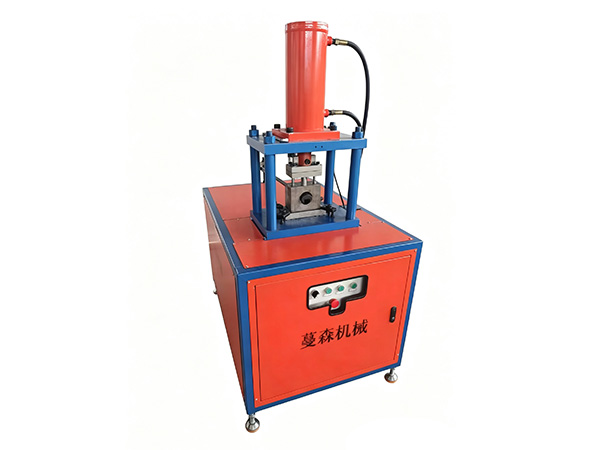
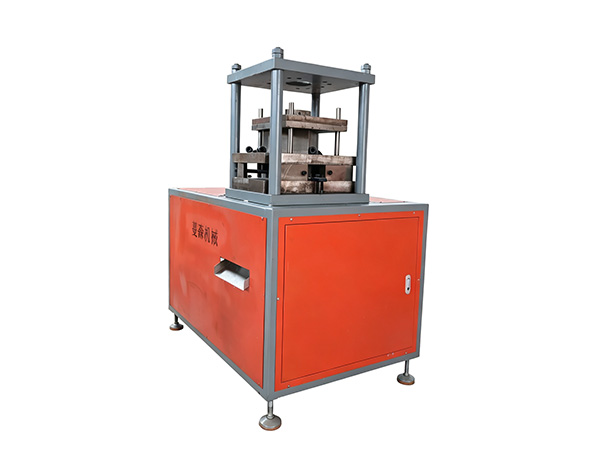
A hydraulic shear drives an upper blade down through the workpiece against a fixed lower blade, shearing it along a straight line. It is the standard machine for cutting plate and flat bar to length. Hydraulic drive delivers constant force through the stroke, which suits thick sections and variable material.
Swing Beam Shear
A swing beam shear moves the upper blade in an arc rather than straight down. This reduces cutting force for thin plate and is a cost-effective option for lighter work, though it is limited to lower capacities than a guillotine shear.
Cold Saw (Circular Saw)
A cold saw uses a toothed circular blade that rotates and feeds into the material, cutting without significant heating. It produces a clean, square, burr-free edge and is well suited to cutting bars, tubes, and sections to precise length. Cut rate is slower than shearing but edge quality is higher.
Band Saw
A band saw uses a continuous toothed blade running over wheels. It cuts a wide range of sections – solid bars, tubes, structural shapes – with good material efficiency and low noise. It is common for cut-off work where edge squareness is acceptable rather than precision.
Ironworker Shear Station
A combined ironworker includes flat bar shear, angle shear, and section cropping stations served by one hydraulic system. For shops that also punch and crop, this integrates cutting into the same machine rather than adding a separate shear.
Thermal and Laser Cutting
Plasma and laser cutting use concentrated energy to cut plate and profiles, often from programmed patterns. They excel at complex shapes and nested parts but carry higher capital and operating cost than mechanical cutting. They are a different category from shears and saws and are chosen when shape complexity or programming drives the work.
How Shearing Works
Shearing separates material by applying force across a thin shear zone between two blades. The upper blade typically has a rake angle – a slight tilt – that spreads the cut along the blade edge, reducing peak force. The blade gap, the clearance between upper and lower blades, must be set for the material and thickness; correct gap reduces burr and improves edge quality. The cutting force depends on material shear strength, blade length, and thickness.
How Sawing Works
Sawing removes material progressively with a toothed blade. A cold saw uses a high-speed steel or carbide blade with flood cooling to keep the cut cool and clean. A band saw uses a flexible blade at lower speed. Both produce a cut edge defined by the blade teeth rather than by a shear line, which is why saw cuts are typically squarer and cleaner than sheared edges but slower to produce.
Applications by Method
Hydraulic shear: plate and flat bar to length in fabrication and structural work.
Swing beam shear: thin plate and sheet cutting where capacity needs are modest.
Cold saw: precise length cutting of bars, tubes, and sections for machining and assembly.
Band saw: general cut-off of mixed sections with good material efficiency.
Ironworker shear: integrated cutting in combined punch-shear-crop workflows.
Plasma and laser: shaped and nested parts from plate and profiles.
Key Selection Factors
Cutting method vs workload. Shearing is fast for straight cuts on plate and flat bar. Sawing gives cleaner, squarer edges on bars and sections. Thermal cutting handles complex shapes. Match the method to the dominant cut in your work.
Capacity and material grade. Published shear capacity is for mild steel at a reference shear strength. Stainless steel and high-strength steel need more force, so effective capacity is lower. Confirm capacity against your actual grades.
Blade or cutting length. For shears, blade length sets the maximum workpiece width. For saws, capacity is the maximum section the blade and vice can hold.
Edge quality requirement. If squareness and a clean edge matter for downstream assembly or machining, a cold saw or band saw may be preferable to shearing, or shearing may need secondary dressing.
Throughput. Shears cycle fastest for straight cuts. Saws are slower but need less post-cut work for some applications. Thermal cutting speed depends on thickness and complexity.
Accuracy. Programmable stops and CNC control improve repeat length accuracy. For precision cut-off, a cold saw with an indexing stop outperforms a manual shear.
Footprint and utilities. Shears and saws need floor space, power, and in some cases cooling and extraction. Plan the layout around material infeed and outfeed.
Materials and Edge Quality
Mild steel cuts cleanly at published capacities. Stainless steel requires more force and produces more springback, which can affect edge squareness on shears. Aluminum cuts readily but tends to stick to the blade if clearance and speed are not controlled. Edge quality depends on blade sharpness, correct blade gap or tooth selection, rake angle, and hold-down force. Regular blade maintenance is the most direct way to keep cut quality consistent.
Maintenance and Operating Considerations
For shears, check blade sharpness and index or replace blades when worn, verify blade gap for the material, check hydraulic oil and seals, confirm hold-down function, and calibrate the back gauge. For saws, maintain blade tension and condition, keep coolant clean where used, and verify vice and stop accuracy. For all machines, test guards, interlocks, and emergency stops on schedule and enforce lockout/tagout during maintenance.
What to Provide When Requesting a Quote
Material grades and maximum thickness or section size
Maximum workpiece width or section dimensions
Required cut length accuracy and tolerance
Dominant cut type (straight, shaped, section cut-off)
Production rate and shift pattern
Power supply at the installation site
Required certifications and shipping requirements
Manufacturers such as Botou Mansen Machinery publish their manufacturing capabilities so buyers can verify production scale before ordering. You can review the company profile at the manufacturer's about page, and explore related equipment at the main product site.
FAQ
What is the difference between shearing and sawing metal?
Shearing separates material with two blades along a straight line, which is fast for plate and flat bar but produces a sheared edge that may need dressing. Sawing removes material with a toothed blade, producing a cleaner, squarer edge on bars and sections but at a slower rate. The choice depends on edge quality needs and section shape.
How does material grade affect cutting capacity?
Published capacity is usually for mild steel at a reference shear strength. Stainless steel and high-strength steel require more force and may spring back more, so effective capacity is lower. Always verify capacity against the grades you actually process.
When should I choose a cold saw over a shear?
Choose a cold saw when you need a clean, square, burr-free cut on bars, tubes, or sections for machining or precise assembly, and when cut length accuracy matters. Choose a shear for fast straight cutting of plate and flat bar where edge dressing is acceptable.
Is a swing beam shear enough, or do I need a guillotine shear?
A swing beam shear suits thinner plate and lighter capacities at lower cost. A guillotine shear handles thicker sections and higher force. If your regular work includes thick plate or hard grades, a guillotine shear is the safer choice.
What maintenance keeps cut quality consistent?
For shears, maintain blade sharpness and correct gap, check hydraulic oil and seals, and calibrate the back gauge. For saws, maintain blade condition and tension and keep coolant clean. Regular blade care is the single biggest factor in consistent edge quality.
Conclusion
A metal cutting machine for steel fabrication is not one device but a set of methods – shearing, sawing, and thermal cutting – each suited to different sections, edge requirements, and volumes. The selection decision should start from the dominant cut in your work, then match capacity to your actual material grades, blade or cutting length to your widest section, edge quality needs to the method, and accuracy requirements to the control system. For B2B buyers, the practical value is choosing equipment that cuts your real workload cleanly and at the right rate, rather than the machine with the highest headline capacity. Before requesting a quote, document your material grades, maximum section size, required accuracy, and production volume, then confirm the method and capacity cover your work with margin.
References
ISO 16092-3:2017, Machine tools safety – Presses – Part 3: Safety requirements for hydraulic presses. International Organization for Standardization.
ISO 13857:2019, Safety of machinery – Safety distances to prevent hazard zones being reached by upper and lower limbs. International Organization for Standardization.
ISO 9013:2017, Thermal cutting processes – Classification of thermal cuts – Geometrical product specification and quality tolerances. International Organization for Standardization.
Kalpakjian, S., & Schmid, S. R. (2014). Manufacturing Engineering and Technology (7th ed.). Pearson.